Why GTO Poker Strategy Is Not Always Best for Live Tables
Game theory optimal poker offers a powerful baseline for making sound decisions. It balances ranges, bet sizes and frequencies so opponents cannot exploit a predictable style. That mathematical discipline is valuable, especially when facing strong regulars or playing online against fast, anonymous competition.
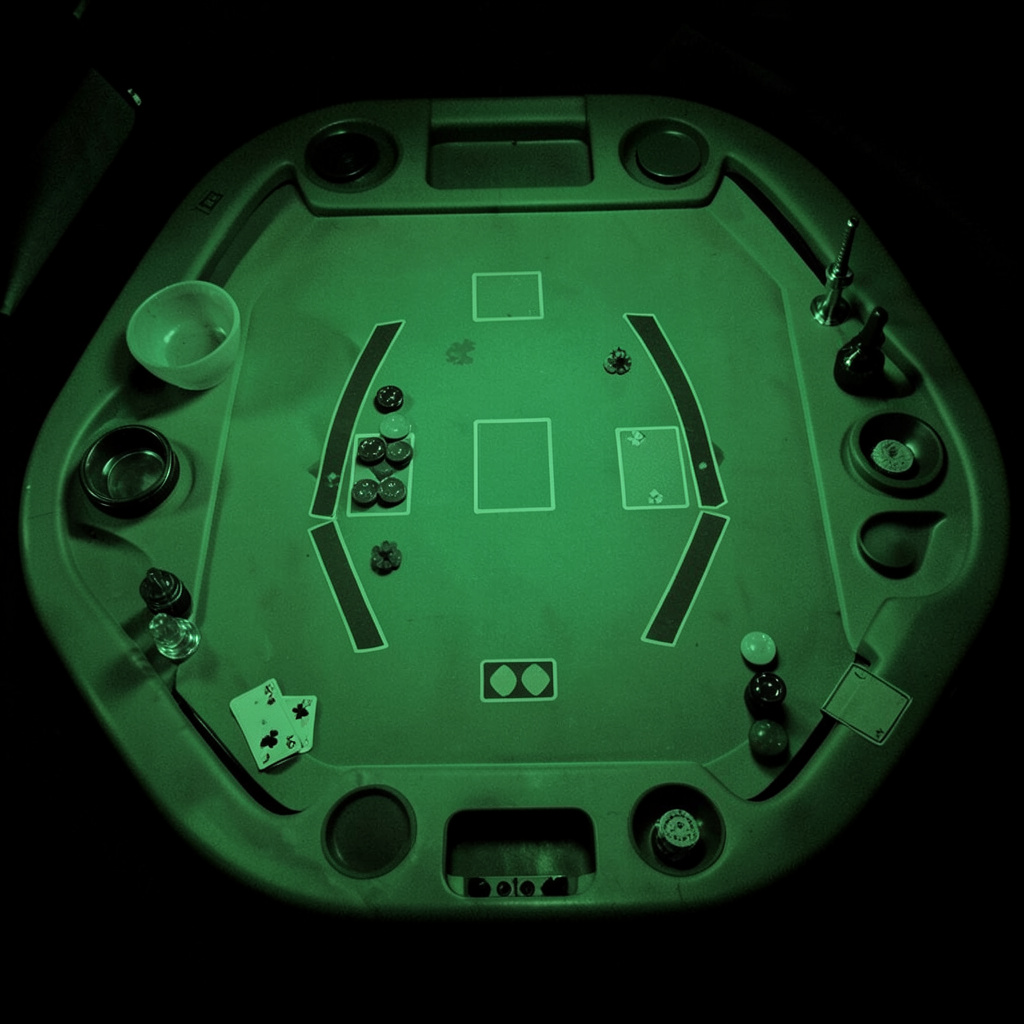
Live tables operate differently. Players talk, pause, reveal habits and choose lines that may not fit a balanced model. In Australian card rooms, a Sydney cash game, a Melbourne tournament or a relaxed pub poker session can contain highly varied experience levels. The best approach is often a blend of sound theory and careful exploitation.
| Feature | GTO-Focused Play | Live-Adjusted Play |
|---|---|---|
| Opponent assumptions | Balanced ranges | Player-specific tendencies |
| Main advantage | Unexploitable decisions | Exploiting repeated mistakes |
| Pace | Fast and mathematically consistent | Slower, social and irregular |
| Bet sizing | Structured frequencies | Adjusted to stack, mood and habits |
| Information | Betting data | Physical and conversational cues |
What GTO Gets Right
GTO strategy remains an excellent foundation. It teaches players to defend suitable portions of their range, value-bet strong hands and avoid folding every time an opponent applies pressure. It also gives structure to difficult spots, particularly when ranges are narrow and several players are capable of aggressive play.
Balanced poker is especially useful when no clear read exists. A player who has just joined a table, moved seats or entered an unfamiliar casino should not invent assumptions immediately. Starting close to theoretically sound ranges reduces costly emotional decisions while enough live information becomes available.
The limitation is that GTO is designed around opponents who respond intelligently to pressure. Many recreational players do not. They may call too often before the flop, chase draws without correct odds or miss profitable bets on the river. Refusing to adjust can leave value on the table.
Why Live Games Deviate
Live hands contain more context than betting actions alone. A player may buy in for a short stack, straddle frequently, discuss a recent bad beat or take an unusually long pause before betting. None of these details proves a hand strength, yet several signals together can influence a practical range estimate.
The social setting also changes decision-making. Players might limp because they want to see flops cheaply, not because they are balancing a range. A casual opponent at a Sydney table may call a large river bet with a weak pair, while a regular in Melbourne may use small sizing to control pots with medium-strength holdings.
Live games are slower, which creates more opportunities to observe. Instead of treating every hand as an isolated mathematical problem, track who over-folds to raises, who never bluffs missed draws and who becomes more active after winning a large pot. These patterns can matter more than a solver’s preferred mixed strategy.
Reading Australian Table Dynamics
Australian poker rooms often combine serious regulars with tourists, first-time casino visitors and players who are there for the social experience. At larger venues in Sydney or Melbourne, table selection can therefore have a significant effect on hourly results. A softer table may reward straightforward value betting more than elaborate balanced bluffs.
Local habits can influence the atmosphere as well. Casual players may arrive after work, chat during hands or treat a Friday-night session like a pub activity. In AUD cash games, familiar chip denominations and a relaxed pace can encourage looser calls. That does not mean every Australian table is passive, but it makes opponent classification especially important.
Digital casino platforms add another contrast. Live HD tables provide dealer interaction and visual information, while automated card games deliver quicker sessions and consistent interfaces. Players comparing formats through casino updates can use the same principle in both settings: understand the environment before applying a rigid strategy.
Adjusting Without Guesswork
Exploitation does not mean abandoning fundamentals. If an opponent calls too widely, value betting thinner is usually better than attempting a complicated bluff frequency. If another player folds whenever the board becomes coordinated, larger pressure on suitable textures may outperform a conservative GTO line.
Position, stack depth and table composition still matter. A weak player may be profitable to target, but raising excessively from early position can create difficult multiway pots. Similarly, isolating a loose caller with a sensible range is often stronger than opening every playable hand simply because the opponent makes mistakes.
Keep adjustments narrow and evidence-based. One missed bluff does not prove that a player never bluffs. Several showdowns, repeated timing patterns and consistent bet sizes provide a more reliable basis. This approach prevents live reads from becoming excuses for impulsive calls.
Practical Live-Table Adjustments
A simple observation routine can make strategic changes more consistent. Note how opponents enter pots, respond to continuation bets and handle pressure on later streets. Players who balance every action are uncommon in low- and mid-stakes recreational games, so repeated tendencies can be valuable.
For players managing irregular rosters, study time and casino visits, flexible preparation is useful. Resources such as flexible work options may be relevant to people organising time around sessions, though bankroll control should remain separate from employment income.
Useful observations
- Who limps frequently but rarely raises
- Who calls river bets with marginal hands
- Who becomes passive after missing a draw
- Who changes sizing with genuine strength
Reliable adjustments
- Bet larger for value against loose callers
- Bluff less against players who dislike folding
- Isolate limpers when position and hand quality allow
- Protect the bankroll with fixed session limits
Build A Balanced Approach
The strongest live poker strategy combines a theoretical framework with practical adaptation. GTO ranges can prevent major leaks, while player-specific adjustments help capture mistakes that a perfectly balanced model would ignore. The aim is not to outsmart every opponent; it is to choose the line that earns the most against the people actually at the table.
Keep decisions grounded in position, effective stacks, board texture and verified tendencies. Respect local rules and venue conditions, and treat gambling as entertainment rather than a way to replace regular income. Whether playing at a casino in Brisbane, joining a Melbourne event or using a digital card lobby, select formats and stakes that suit your budget.
Use theory as your starting point, observe patiently and adjust when the evidence is clear. Then review your hands after each session to identify where a live exploit created real value and where emotion merely looked like insight.