How to Play Baccarat: A Beginner’s Guide
Baccarat is one of the simplest casino card games to learn. You do not need to make complicated decisions during each hand; instead, you choose whether to back the Player hand, the Banker hand, or a Tie. Two hands then receive cards, and the hand closest to nine wins.
The game suits beginners who prefer quick rounds and clear outcomes. It is available in digital casino lobbies, automated formats, and live dealer rooms, where a streamed table recreates the feel of a casino from home. Australian players should also check local gambling rules, platform licensing, age requirements, and payment conditions before using any online service.
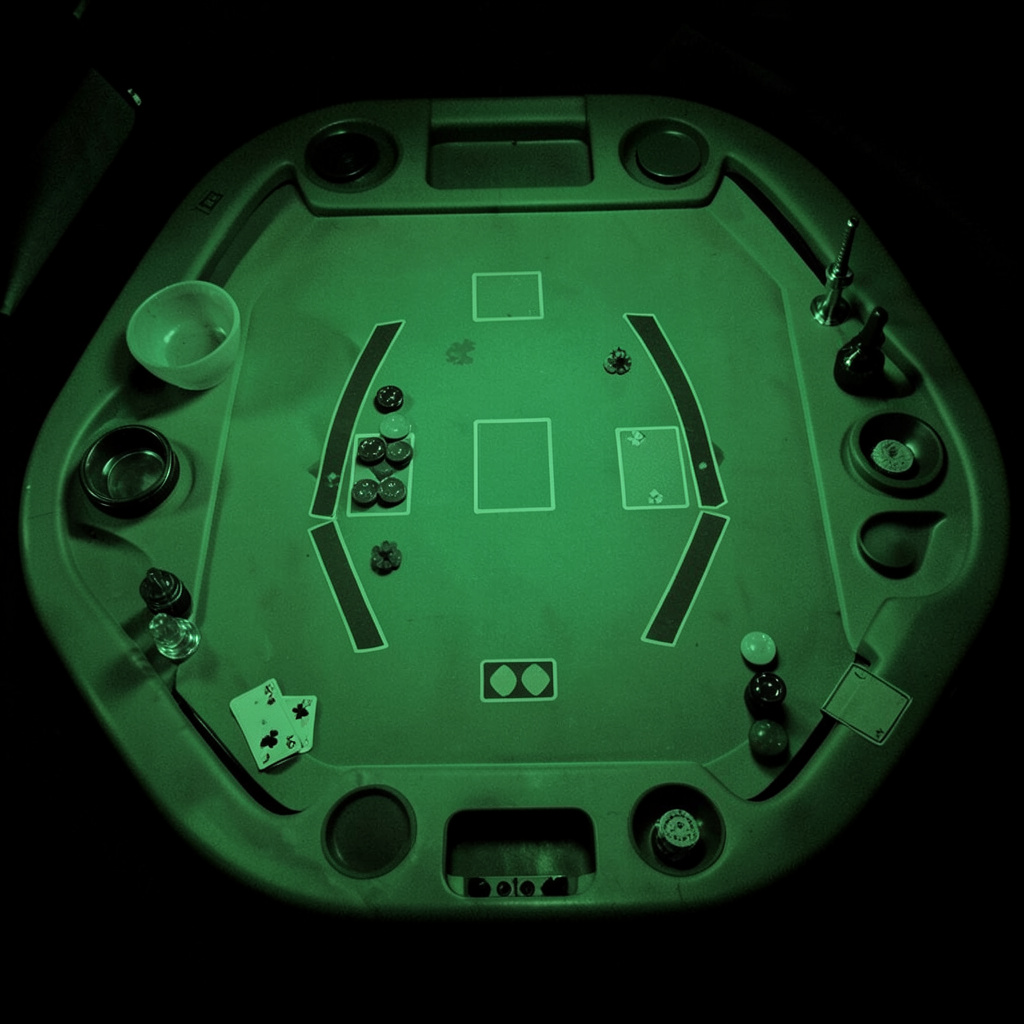
Understand The Baccarat Table
Baccarat uses two competing hands called Player and Banker. These labels do not describe the people playing. You are simply betting on which hand will finish closer to nine, or whether both hands will have the same total.
Cards from two through nine keep their face value. An ace counts as one, while tens, jacks, queens, and kings count as zero. If the total reaches 10 or higher, only the second digit is used. For example, a seven and an eight make 15, so the baccarat total is five.
Choose A Bet Before The Deal
The three main wagers are Player, Banker, and Tie. A Player bet wins when the Player hand beats the Banker hand. A Banker bet wins when the Banker hand has the higher total. A Tie bet wins only when both hands finish on the same number.
Banker bets usually have the lowest house advantage, although many tables deduct a commission from a winning Banker payout. Tie bets often offer a larger payout, but their mathematical disadvantage is generally much higher. Before placing a wager, read the displayed rules because commission rates and Tie payouts can vary.
At a digital table, the betting window normally shows a countdown. Once it closes, the software or dealer deals the cards. The result is settled automatically, which makes baccarat faster than games requiring repeated player decisions.
Follow The Third-Card Rules
The first two cards are dealt to both hands. A natural total of eight or nine usually ends the hand immediately. If neither hand has a natural, a third card may be dealt according to fixed rules.
The Player hand generally draws on totals from zero to five and stands on six or seven. Banker action depends on its own total and, in some situations, the value of the Player’s third card. These rules are automatic, so beginners do not need to memorise every exception to enjoy the game.
| Result | Typical meaning | Beginner note |
|---|---|---|
| Player wins | Player total is higher | Pays according to the table’s posted odds |
| Banker wins | Banker total is higher | Often includes commission |
| Tie | Both totals match | Usually has the highest house edge |
| Natural eight or nine | A hand reaches eight or nine with two cards | Further dealing may stop |
| Six or seven | A hand stands on that total | No extra decision is required |
Live baccarat uses the same scoring logic as an automated version. The difference is presentation: a dealer handles the cards, while cameras, streaming software, and the interface display the action. Players interested in how streamed casino tables work can explore this live blackjack technology, which uses many of the same production ideas.
Manage Stakes And Session Pace
Baccarat outcomes are independent. A run of Banker results does not make a Player win “due”, and a previous Tie does not predict the next hand. Betting systems that increase stakes after losses can quickly turn a short session into an expensive one.
Set a spending limit in Australian dollars before starting, along with a time limit. This is especially useful when playing late at night in Melbourne, Sydney, or Brisbane, where continuous online access can make it easy to lose track of time. Treat a wager as entertainment spending rather than a way to replace income.
Australian players may see familiar payment language, identity checks, and responsible gambling tools on licensed or regulated services. Online casino rules can differ from those governing land-based venues and sports betting, so verify whether a platform is permitted for your location rather than assuming that an accessible website is automatically lawful.
Compare Automated And Live Formats
Automated baccarat deals cards through software and displays the result almost instantly. It is convenient for short sessions, has a compact interface, and may offer lower minimum bets. The software records the outcome, applies the third-card rules, and updates the balance without dealer interaction.
Live dealer baccarat places the action at a streamed table with a real croupier. It can feel more social and transparent, particularly for players who enjoy watching the shuffle, deal, and settlement. Connection speed matters, and busy tables may have different limits from automated rooms.
A modern casino lobby may group baccarat with blackjack, poker, and other card games, while promotions and daily deals appear beside the game tiles. Read the terms for wagering requirements, eligible games, expiry dates, and maximum promotional winnings before treating an offer as part of your budget. A wider card gaming resource can also provide useful background when comparing different digital formats.
Build A Practical Baccarat Routine
A simple routine helps keep the game understandable and controlled:
- Learn the card values and modulo-10 scoring before wagering real money.
- Compare Banker commission, Tie payouts, minimum bets, and maximum bets.
- Begin with the smallest suitable stake while learning the interface.
- Avoid chasing losses or changing stakes to follow short-term patterns.
- Use session limits, deposit controls, and breaks to keep play measured.
- Check Australian availability, age rules, licensing information, and withdrawal terms.
The most sensible beginner approach is to choose one bet type, understand its payout, and keep stakes consistent. Baccarat can be entertaining because the rules are quick to grasp, but no strategy removes the house edge or guarantees a result.
Open a practice or low-stakes baccarat room, review the table rules, and watch a few hands before placing a wager. When the session no longer feels relaxed or affordable, close the table and return another day.