European Blackjack Versus American Blackjack Key Differences
Two of the most popular card games in any online casino lobby share a name yet play very differently. For players across Sydney, Brisbane, and Perth, picking between them shifts everything from the pace of the round to the strategy chart pinned to the fridge. Knowing what sets the European version apart from the American one helps you choose which table deserves your next banknote in AUD.
The gap comes down to a handful of rules that change how the dealer reveals cards, when you can double, and how much of a hit your wallet takes when the house flips a natural twenty-one. Both styles stream live from international studios, suiting the late-arvo habits of Aussie punters who log on once the sun drops over the Harbour Bridge.
Deck Count and Dealing Sequence
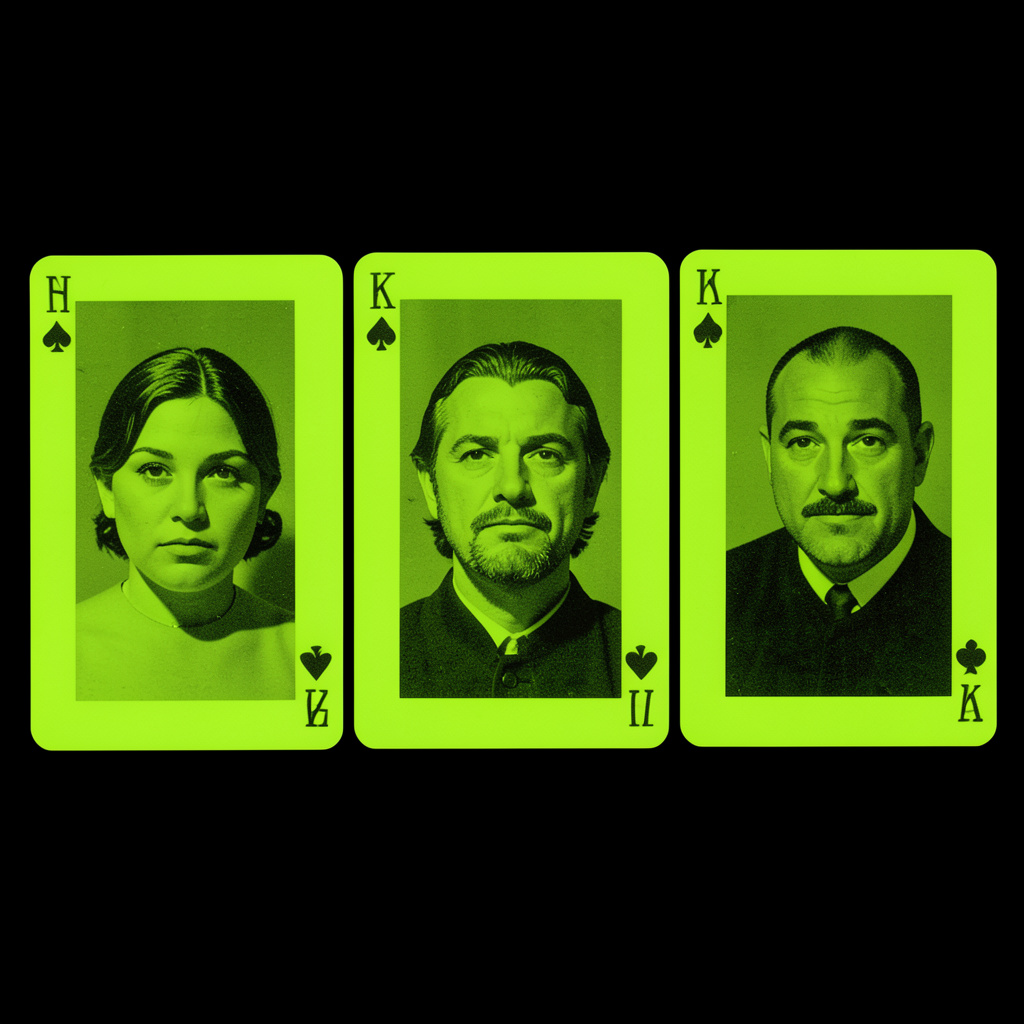
European blackjack typically runs with two to eight decks, while the American version almost always spreads six to eight decks dealt from a shoe. In the European format, each player receives two cards face up, then the dealer draws one card, leaving the second hidden until the round ends. American dealing works faster, since both of the dealer's cards appear immediately with one face down.
Because the dealer's down card is not in play yet, European rounds stretch a touch longer as players weigh their next move without that second piece of information. American rounds resolve quicker, which suits the fast sessions many locals prefer during their evening wind-down after the footy.
The Hole Card Question
In American blackjack, the dealer checks their face-down card for a natural twenty-one the instant an ace or ten-value card shows. If the house holds blackjack, the hand ends and side bets along with doubled wagers are returned. In European blackjack, there is no peek. The dealer draws their second card only after every player has finished their turn, so a late natural can scoop up original bets, doubles, and splits alike.
The European no-peek rule increases variance and demands tighter discipline, while the American peek protects split and double-down wagers whenever the house draws a ten. Watch the dealer draw that hole card late on a six-deck shoe and the punter watching from a Brisbane apartment is suddenly staring at a heavier loss than a standard American round would deliver.
Doubling Down and Splitting Rules
Both variants allow doubling down on nine, ten, or eleven, yet the European version sometimes extends that option to soft totals like soft seventeen. American tables usually restrict double-down to hard totals and only on the first two cards. Some American games lock out doubling after a split, while European lobbies more often permit it.
European decks usually limit resplitting to three hands and disallow splitting aces more than once, while American games commonly allow resplitting up to four hands and sometimes let players hit split aces. Players logging in from Adelaide or Hobart should check the rules sheet before they sit.
Surrender and Insurance Mechanics
Late surrender appears often in American shoes but less often in European setups, where early surrender is rarer still. Surrendering lets a player forfeit half their wager when the odds look rough, and it pairs with the peek rule that defines American blackjack. Insurance against a dealer ace pays 2 to 1 with an edge tied to a ten-rich shoe.
The European no-peek design makes insurance a worse proposition, since the dealer's hidden card arrives after the side bet is locked in. Aussie players who like to hedge will find the American shoe rewards the move more often than its European cousin.
House Edge and Payout Structures
The math tilts slightly toward the player in American blackjack because of the peek protection. A standard American table with six decks, dealer stands on soft seventeen, and a 3 to 2 blackjack payout returns around 99.5 percent in theory. The European version, with no peek and dealer hitting soft seventeen on some tables, drops the return closer to 99.3 percent or lower.
Blackjack payouts stay at 3 to 2 on most legitimate lobbies available to Australian players, though some sites push 6 to 5 single-deck American games to inflate the margin. Side bets like 21+3 appear on both sides, yet the no-peek European version punishes them harder when the dealer flips a late natural. Check the payout tile before you click deal.
| Feature | Live Dealer European Blackjack | Live Dealer American Blackjack |
|---|---|---|
| Decks | 2 to 8, often 6 | 6 to 8 |
| Hole card | Hidden until players finish | Peeked for natural 21 |
| Dealer soft 17 | Hits on most tables | Stands on most tables |
| Double after split | Usually allowed | Often restricted |
| Late surrender | Rare | Common |
| House edge | About 0.5 percent higher | Lower baseline margin |
Strategy Shifts Between the Two Variants
Basic strategy charts differ because the dealer's second card is uncertain in the European game. Hard standing totals shift upward by one point on many European charts, since the risk of the dealer drawing a pat hand from a hidden ten is greater. Doubling decisions on soft fifteen or sixteen fall out of the picture under certain European rules, while they remain profitable on American felt.
Aussie players watching their chip stack during a Saturday arvo session should tighten their surrender logic. With no peek in European blackjack, deviations from the standard chart pop up more in the surrender and insurance columns. American shoes follow the standard deviation tables most strategy guides sell in Melbourne bookstores.
Choosing a Variant at Online Lobbies
Picking between the two comes down to bankroll shape and session length. Faster American rounds suit punters who want to log in, play twenty hands during a tram commute, and log out before bed. European rounds with their slower reveals and tighter strategy charts suit players who enjoy working through a chart hand by hand.
The Australian market offers both through licensed overseas studios, with AUD wallets, fast PayID withdrawals, and round-the-clock tables. Crown Melbourne loyalists, before switching to remote play, often find the live dealer lobby mimics the tempo of a physical table closely. Look for 3 to 2 blackjack payouts, dealer stands on soft seventeen where possible, and continuous shuffle machines disabled at the shoe.
Quick Differences at a Glance
- American games peek for dealer blackjack; European games do not.
- European tables often hit soft seventeen; American games usually stand.
- Doubling after split is more common across European lobbies.
- Late surrender appears more often on American six-deck shoes.
Aussie Player Habits Worth Matching
- Log in during AEST evening hours when live dealer studios are mid-shift.
- Stick to AUD wallets to skip conversion fees from your local bank.
- Skip 6 to 5 blackjack tables even when the lobby pushes them as featured games.
- Check that the site is licensed by a recognised overseas regulator before depositing.
Ready to take a seat at the felt? Step into the live lobby, claim the welcome offer, and pick the variant that suits your style. The cards are about to be dealt, mate.